What Is Epic App Orchard? Epic’s App Market & Showroom Guide

What Is Epic App Orchard? Epic’s App Market & Showroom Guide
If you're a healthcare vendor trying to get your solution in front of clinicians, you've probably asked what is Epic App Orchard, and whether it's the right path to reach health systems. The short answer: it's Epic's marketplace and developer program where third-party applications can integrate with Epic's EHR and become discoverable by hospitals and clinics across the country.
Here's what trips up most vendors: Epic rebranded App Orchard to Epic App Market (with a separate component called the Showroom), and the requirements for listing have evolved significantly. Understanding this ecosystem matters because getting listed means your app appears where health system IT teams and clinical leaders actually look when evaluating new tools.
At VectorCare, we help healthcare vendors build SMART on FHIR applications and get them listed in Epic's Showroom within weeks rather than the typical 12-18 month timeline. This guide covers everything you need to know about the App Orchard/App Market: what it is, how the listing process works, and what it takes to get your solution in front of Epic's user base.
What Epic App Orchard is and what it is called now
Epic App Orchard was Epic's original name for both its developer program and the marketplace where third-party applications could integrate with Epic's electronic health record system. Think of it as the App Store for healthcare, where vendors could build applications using Epic's APIs and make them discoverable to health systems running Epic's EHR software. The program launched to expand Epic's ecosystem beyond its own development team and let outside innovators build tools that clinicians could access directly within their workflow.
The original App Orchard concept
When you ask what is Epic App Orchard, you're asking about a program that combined two distinct functions: a technical sandbox for developers to build and test integrations, and a public-facing directory where health systems could browse approved applications. Epic provided APIs, documentation, and testing environments so vendors could develop applications that pulled patient data, displayed information within Epic's interface, or triggered actions based on clinical events. The App Orchard gave vendors a clear path to reach Epic's user base without requiring individual contracts with every health system.
Epic's App Orchard was designed to make EHR integrations scalable for both vendors and health systems.
The Epic App Market rebranding
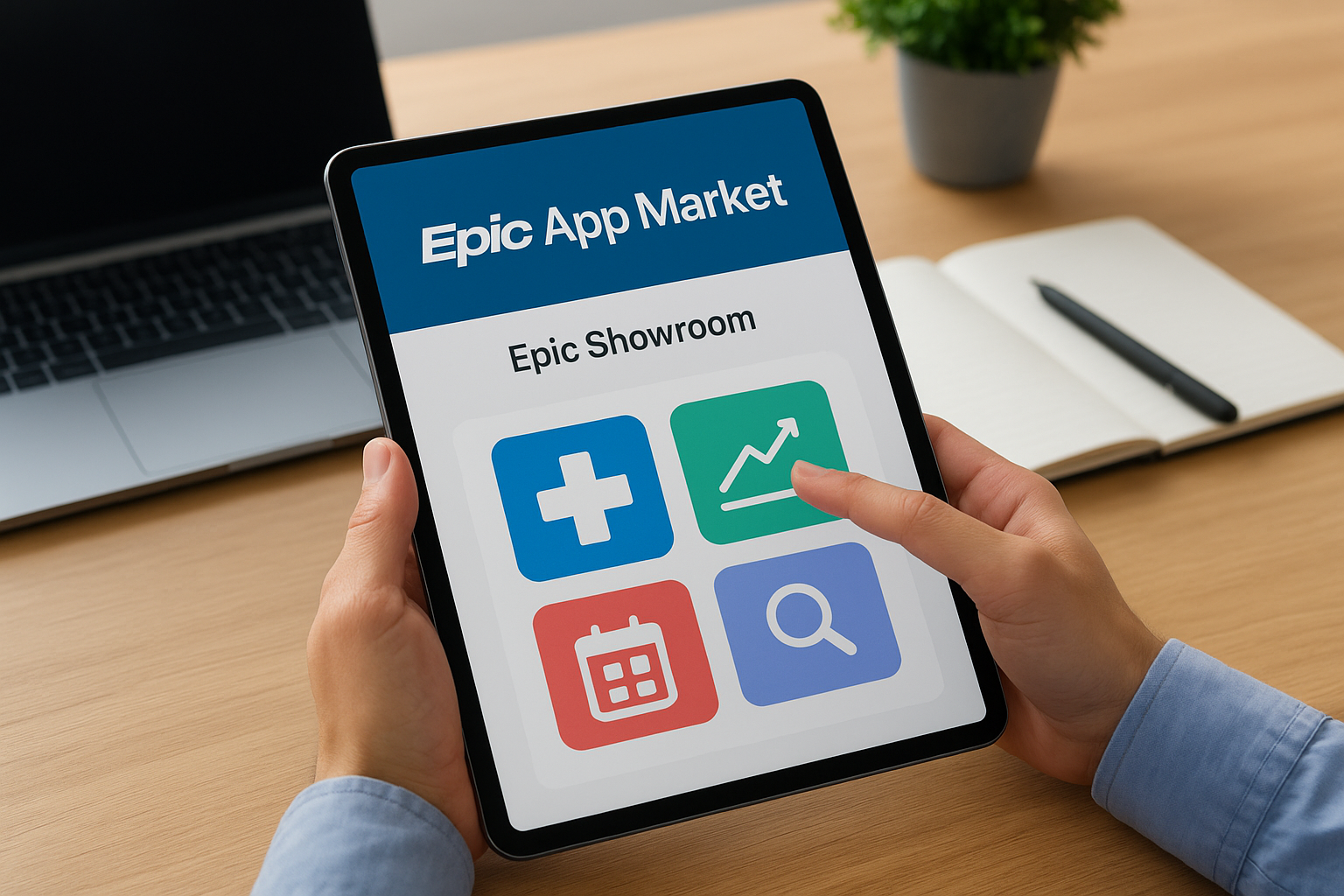
Epic rebranded App Orchard to Epic App Market in recent years, with the marketplace component now called the Epic Showroom. This naming shift reflects a more consumer-friendly approach: the App Market serves as the broader ecosystem, while the Showroom specifically refers to the directory where health systems browse and discover applications. Your goal as a vendor remains the same (get listed where Epic users can find you), but the terminology matters when you're navigating Epic's submission process and documentation. The App Market still provides developer tools and testing environments, but Epic now separates the technical program from the customer-facing marketplace more clearly than before.
What you can do in Epic's marketplace and program
When you understand what is Epic App Orchard and its evolution to the App Market, the next question is what capabilities you actually get. Epic's program gives you access to development tools, testing environments, and a marketplace where health systems can discover your application. You can build applications that integrate directly into clinician workflows, pull patient data using standardized APIs, and submit your solution for listing in the Showroom where Epic users evaluate new tools.
Build and test SMART on FHIR applications
You get access to Epic's developer sandbox where you can build applications using SMART on FHIR standards without needing access to a live EHR environment. Epic provides test patient data, documentation, and API endpoints so you can develop features, test data flows, and validate your integration before deploying to production. Your development team can iterate quickly because Epic's sandbox mirrors the production environment where your application will eventually run.
Epic's sandbox environment lets you develop and test integrations without access to live patient data.
List your application in the Showroom
Once you complete development and testing, you can submit your application for review and listing in Epic's Showroom. Health systems browse this directory when evaluating new tools, so getting listed means your solution appears alongside other vetted applications that integrate with Epic's EHR. Epic reviews your submission for technical compliance, security standards, and SMART on FHIR implementation before approving your listing.
Why Epic App Orchard matters for vendors and health systems
Understanding what is Epic App Orchard and its evolution to the App Market matters because Epic holds over 35% market share in U.S. hospital EHR systems, making it the dominant platform where clinical decisions happen. Getting your application into Epic's Showroom represents access to hundreds of health systems and thousands of clinicians who rely on Epic daily. Without a Showroom listing, your sales team faces longer procurement cycles and repeated technical due diligence at every health system, while your competitors with listings appear as vetted, integration-ready solutions.
For vendors seeking health system contracts
Your Showroom listing serves as third-party validation that your application meets Epic's technical standards and security requirements. Health system IT teams prioritize vendors who already have Epic integrations because it reduces implementation risk and shortens deployment timelines. When you appear in the Showroom alongside your category competitors, you signal that your solution is production-ready rather than requiring custom development work that could delay go-live dates by months.
A Showroom listing transforms your sales conversations from "Can you integrate with Epic?" to "How quickly can we deploy?"
For health systems evaluating solutions
Health systems use the Showroom to discover pre-vetted applications that won't require extensive security reviews or custom integration work. Your IT team can filter by clinical specialty, view implementation timelines, and compare solutions that already comply with Epic's standards. This centralized marketplace reduces the burden of evaluating vendors individually and gives you confidence that listed applications will work within your existing Epic environment.
How Epic integrations work with SMART on FHIR and FHIR
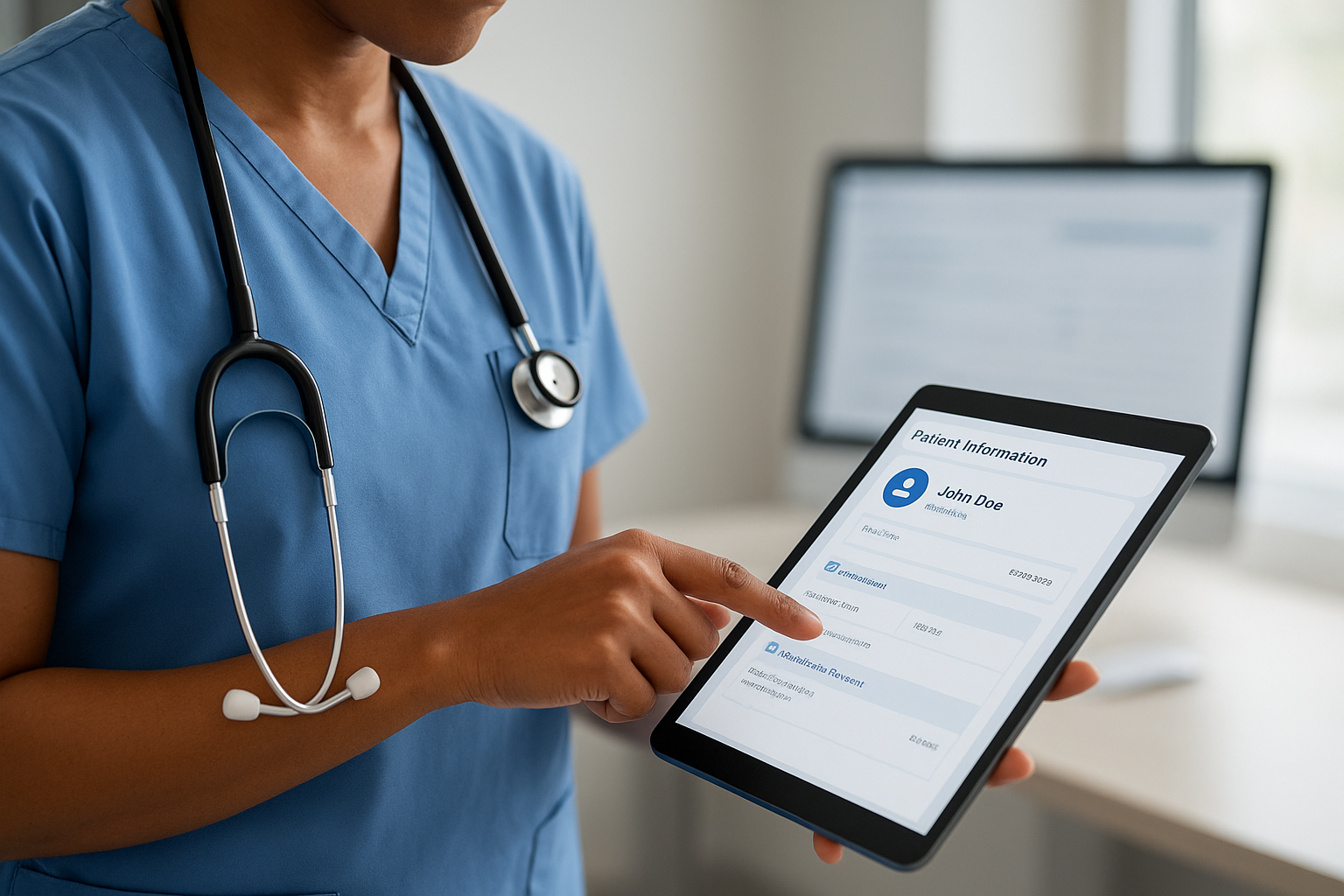
Understanding what is Epic App Orchard means understanding the technical foundation that makes these integrations possible: SMART on FHIR. Epic requires all App Market applications to use SMART on FHIR standards, which combine two components: FHIR (Fast Healthcare Interoperability Resources) for data exchange and SMART (Substitutable Medical Applications, Reusable Technologies) for secure authentication. Your application connects to Epic's EHR using standardized APIs rather than custom integration work, which is why apps can deploy across multiple health systems without rebuilding the technical infrastructure for each implementation.
The FHIR data standard
FHIR provides the data structure and API specifications you use to retrieve patient information from Epic's EHR. Your application requests specific resources like Patient, Observation, or MedicationRequest using HTTP-based API calls, and Epic returns the data in standardized JSON or XML format. This standardization means you write your code once and it works across any Epic environment, rather than building custom data mappings for each health system's unique configuration.
FHIR standardization eliminates the need to rebuild your integration for each Epic deployment.
The SMART on FHIR authorization layer
SMART on FHIR adds the security and authentication framework that controls which users can access your application and what patient data they can view. Epic uses OAuth 2.0 protocols to verify clinician identity and patient context before granting your application access to EHR data. Your application requests specific scopes (permissions) during authentication, and Epic ensures users only access data appropriate for their role and the current clinical workflow.
How to get an app listed and stay compliant
Getting your application into Epic's Showroom requires completing several steps that verify your technical implementation and security standards before Epic approves your listing. You submit your application through Epic's developer portal after completing testing in the sandbox environment, and Epic reviews your submission for SMART on FHIR compliance, security protocols, and data handling practices. Understanding what is Epic App Orchard and its requirements matters before you start development because the process typically takes months when handled internally.
Complete Epic's technical review process
You need to demonstrate that your application meets Epic's integration standards before submitting for Showroom listing. Your development team completes testing in Epic's sandbox, documents your SMART on FHIR implementation, and provides evidence that your application handles patient data securely. Epic requires you to show how your app authenticates users, requests appropriate data scopes, and maintains HIPAA compliance throughout the integration.
Epic's technical review validates that your application won't compromise EHR performance or patient privacy.
Maintain ongoing compliance requirements
After Epic approves your listing, you must maintain compliance with evolving standards and security requirements. Your team monitors Epic's API updates, implements required security patches, and ensures your application continues meeting HIPAA and SOC2 standards as regulations change. Epic can remove non-compliant applications from the Showroom, so ongoing maintenance becomes part of your operational requirements rather than a one-time task.

Final takeaways
Knowing what is epic app orchard and its evolution to the Epic App Market gives you the roadmap to reach health systems through Epic's marketplace. Your Showroom listing validates your technical capabilities and shortens sales cycles by appearing where IT teams and clinical leaders actually search for vetted solutions. The process requires SMART on FHIR implementation, security compliance, and Epic's technical review, but getting listed transforms your go-to-market strategy from custom integration discussions to deployment timelines.
Building and maintaining these integrations requires ongoing technical resources that most healthcare vendors prefer to allocate toward their core product. At VectorCare, we handle the entire process from SMART on FHIR development to Showroom listing so you can focus on what you do best: delivering clinical value. Build and deploy your SMART on FHIR app in weeks rather than months while we manage compliance, hosting, and Epic's submission requirements.
The Future of Patient Logistics
Exploring the future of all things related to patient logistics, technology and how AI is going to re-shape the way we deliver care.
Thank you! Your submission has been received!
Oops! Something went wrong while submitting the form.